The account
Meet the Cavalier: The Aristocrat's Companion
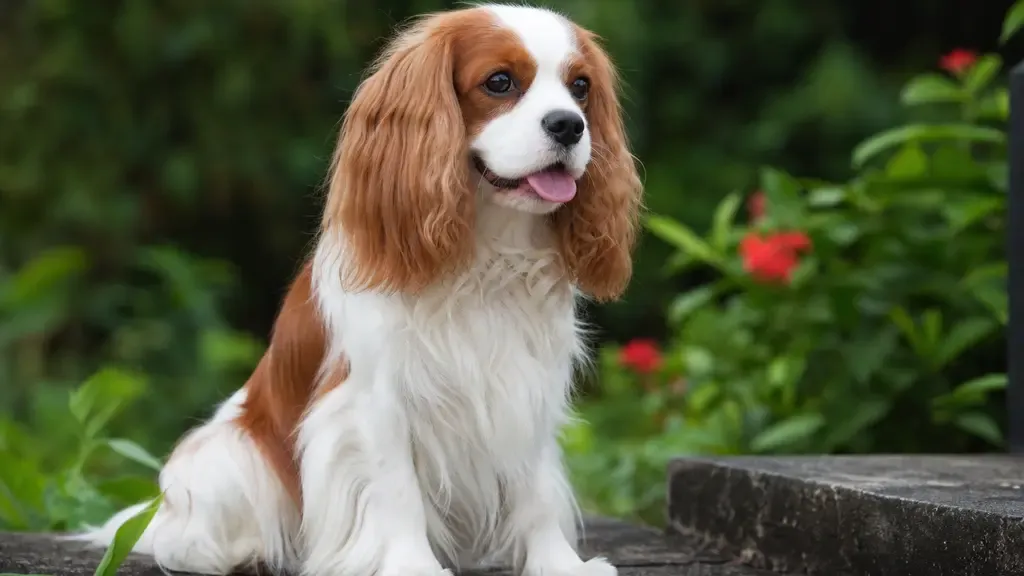
There is a reason Cavalier King Charles Spaniels appear in so many 17th-century paintings. They were bred for laps, not for work. While spaniels hunted, herded, and guarded, the toy spaniels of King Charles II's court had one job: to be charming. They succeeded so completely that the king was criticised for paying more attention to his dogs than to affairs of state. The dogs accompanied him everywhere, even, reportedly, to council meetings.
The modern Cavalier (refined and standardised in the 1920s by American Roswell Eldridge, who offered prize money for dogs matching the type seen in old paintings) retains this singular focus on human companionship. It does not guard. It does not herd. It does not hunt. It loves, deeply, completely, and with its whole heart. For the right home, this makes the Cavalier one of the most rewarding breeds on Earth. For the wrong home, one where it is left alone for long hours, it makes the Cavalier quietly, desperately unhappy.
Living With the Cavalier
Cavaliers have become one of most sought-after imported breeds, and for good reason:
What works: Their size suits apartment living perfectly. Their moderate exercise needs fit urban lifestyles. Their temperament is ideal for families, gentle with children, friendly with strangers, good with other pets. They adapt to the family's energy level: ready for a walk or a game, equally ready to curl up on the sofa for hours. They are portable, travel well, and charm everyone they meet.
What's challenging: Health. The Cavalier's popularity has led to overbreeding and a concentration of serious genetic conditions. Finding a reputable breeder who health-tests their breeding dogs is not optional. It is the difference between a decade of joy and years of vet bills and heartbreak. Beyond health, Cavaliers cannot be left alone for long periods. This is not a breed for a household where everyone works full-time outside the home. Separation anxiety is not a quirk. It is baked into the breed's DNA.
Coat Care: The Silky Spaniel
The Cavalier has a single coat of medium-length, silky hair with feathering on the ears, chest, legs, and tail. It is one of the easier-coated toy breeds to maintain:
- Brushing: 3-4 times weekly with a pin brush and metal comb. Focus on the feathered areas, behind the ears and the leg fringes mat most easily.
- Bathing: Every 3-4 weeks. A gentle, moisturising shampoo maintains the coat's natural silkiness.
- Ears: Weekly inspection and cleaning. Floppy ears create a warm, moist environment perfect for infections. Clean with a vet-approved ear solution and cotton pad, never insert anything into the ear canal.
- Nails: Trim every 2-3 weeks. Cavaliers' nails grow quickly.
- Teeth: Daily brushing if possible. Small breeds are prone to dental disease, a Cavalier with bad teeth is a Cavalier with heart complications (oral bacteria can affect already-compromised heart valves).
- Professional grooming: Every 6-8 weeks for a tidy-up, particularly the feet (which grow "slippers" of fur between the pads) and sanitary areas.
Exercise and Enrichment
Cavaliers are moderate-energy dogs. They need daily exercise but will not climb the walls without a marathon:
- Daily walks: Two 20-30 minute walks, or one longer walk plus indoor play.
- Play: Cavaliers retain spaniel instincts. They love to chase balls, flirt poles, and soft toys. Short, enthusiastic bursts of play followed by long naps is the Cavalier pattern.
- Mental stimulation: Puzzle toys, hide-and-seek, short training sessions. They are bright and eager to please, training is bonding time, not a chore.
- Off-leash: In safe, enclosed areas. Cavaliers have moderate prey drive from their spaniel ancestry. They may chase birds or squirrels but typically stay close to their humans.
Training the Velcro Dog
Cavaliers want to please you. This makes training different from independent breeds, the challenge is not stubbornness but sensitivity:
- Positive reinforcement only. Harsh words wound a Cavalier deeply. They shut down if treated roughly.
- Food motivation is high, quality treats work wonders.
- They excel at trick training and canine sports like rally and agility (at appropriate heights).
- House training: generally straightforward. Cavaliers are clean dogs that want to do the right thing.
- The real training challenge is separation: teach "alone time" from puppyhood. Start with 5 minutes, build gradually. A Cavalier that has never learned to be alone will panic when the inevitable happens.
Health: The Elephant in the Room
Cavalier health cannot be discussed gently, the numbers are stark and every prospective owner must know them:
- Mitral Valve Disease (MVD): Degenerative heart valve condition. ~50% affected by age 5, ~90% by age 10. Symptoms: cough, exercise intolerance, collapse. Lifelong medication manages but does not cure. Regular cardiology check-ups from age 3. Research breeders working to reduce MVD rates.
- Syringomyelia (SM): Fluid-filled cavities in the spinal cord caused by a skull too small for the brain (Chiari-like malformation). Symptoms: scratching at the neck/air (phantom scratching), sensitivity to touch around the head, pain. Diagnosis via MRI. Treatment ranges from pain management to brain surgery. Prevalence estimates range from 25-70% depending on study methodology.
- Hip Dysplasia: Less common than in larger breeds but present.
- Eye Issues: Cataracts, dry eye, retinal problems. Annual eye exams.
- Ear Infections: Floppy ears and narrow ear canals make Cavaliers prone to otitis. Regular cleaning prevents most cases.
The bottom line: buy from a breeder who does cardiac and MRI screening on all breeding dogs. Ask for certificates. Walk away if they cannot produce them. The premium you pay for a health-tested puppy is a fraction of what you will spend on a sick dog.
Is a Cavalier Right for You?
A Cavalier is for someone who wants a dog that is more interested in being loved than in being impressive. Someone who works from home or has a family member present most of the day. Someone willing to pay the premium for a well-bred, health-tested puppy and to commit to regular veterinary cardiac monitoring. And someone who understands that the Cavalier's greatest gift, its all-consuming devotion to its humans, is also its greatest vulnerability.
If that describes you, the Cavalier King Charles Spaniel offers a kind of companionship that no working breed, no guardian breed, no independent breed can match. A dog that looks at you like you are the most important thing in the universe, because to a Cavalier, you are.