Do you know no dog is born aggressive? BUT they start developing behavioural issues once they start getting influenced by us humans.
https://open.spotify.com/episode/3p3H3WZiXQSJJZ1goNvhn2?si=cd2912cb0bb94ac0
This is about WHY we are seeing so many behavioural issues like fear, hyperactivity and aggression developing in our dogs?
If we consider the human species, our species, then we will basically find two kinds of psychology:
- Male Pscyhology
- Female Psychology
A male human and female human both see this world through different lenses. If you are a male then many times you won't be able to understand your girlfriend or wife, and you might think that they don't understand. Same as if you are a female then you might find trouble in understanding them. The reason is that you both are trying to figure the opposite gender with your own psychology, but in reality, both genders in humans have a different psychology. So to understand each other and to be able to communicate clearly we must understand the psychology of each other.
So in humans, we have two psychology, and to fulfil each other needs we must understand the basics of it.
Understanding this concept of different psychology in humans is important because then only you will take initiative to understand the psychology of dogs because the dog is a different species altogether, and most people behave with them using their own psychology and because of lack of understanding they also fail to fulfil basic needs of dogs which is the ROOT CAUSE OF MOST IF NOT ALL BEHAVIORAL ISSUES.
I think we are pretty clear that we must understand dog psychology if we want to raise calm confident obedient & happy dogs.
Let's look at some of the real-life examples of the way most humans behave with their dogs under certain circumstances and how it leads to behaviours issues in dogs.
Real-Life Example #1: FEAR
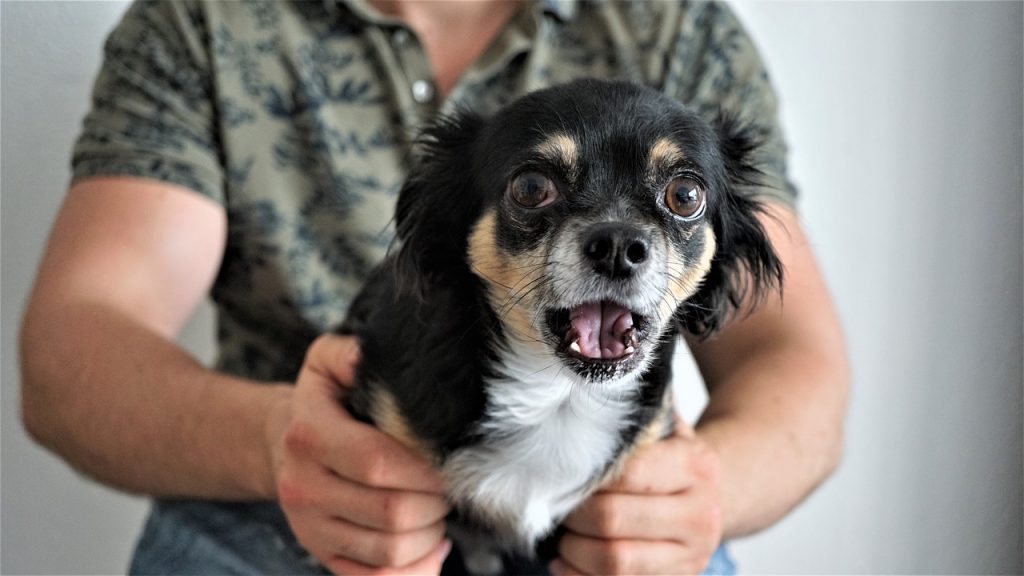
Most humans give affection when they see their puppy scared or their dogs scared. They either pick the puppy up, or they touch out of sympathy feeling pity or they baby talk. All of this they dog out of compassion, with good intention and they do this because they are applying human psychology on a dog.
By human psychology, I meant like if I am scared and you give me affection then I can rationalize the whole thing and realize that I am receiving affection so that I can come out of fear. But dogs are different, they cannot rationalize this, they cannot understand that they are receiving affection to help them overcome the fear.
Whenever a dog receives affection, his or her state of mind get nurtured. So if you are giving affection when the dog is under stress then you are nurturing his stressed state of mind. This is one of the differences between human psychology and dog psychology.
Now multiply this nurturing of the wrong state of mind, nurturing a fearful state of mind, every day, then over a period of time, the dog will get habitual of living in a fear state of mind always, which leads to a very unhappy life, a sad life just because of the lack of understanding of humans.
Real-Life Example #2: HYPER-ACTIVITY

How do you behave when your puppy comes running towards you and starts jumping on you?
Most humans get excited, they pick the puppy up, they give affection, they baby talk, they nurture the excitement in the puppy.
Why?
Because humans think that excitement and happiness both are the same emotions but in reality, these emotions are far from each other.
In the animal world excitement is unstable energy, you will not see zebras in the wild jumping out of excitement because in the wild excitement means death, they will be among the first to be hunted down.
But because of our lack of understanding, we treat excitement as happiness and keep on nurturing the excited state of mind from puppyhood until it becomes uncomfortable for us to manage once the puppy grows up into a big dog.
Unintentionally we trained our puppy to meet with excitement all the time and one day we started to behave with frustration instead of affection, which send the dog into a confused state that leads to hyperactivity/anxiety.
Giving affection was wrong, Behaving with frustration is super duper wrong, because it's you who trained your dog to be in a hyperexcited state, this is not his fault, so your frustration is just you not taking responsibility for your actions.
So, remember, whenever a dog receives affection, his or her state of mind get nurtured, and excitement is not happiness.
Real-Life Example #3: AGGRESSION

AGGRESSION is not even an issue but it is a symptom of dogs need not being fulfilled. The reason for needs are not being fulfilled is because most humans don't know about the needs of species dogs. They think by giving food, shelter, a good bed, toys, treats they are fulfilling their dogs but that is far from the truth. To really fulfil your dog, you must understand how their mind works. you must learn dog psychology.
Male humans behave with dogs using male psychology, female humans behave using female psychology, this creates an identity crisis in the dog which leads to many behavioural issues and if you fail to address them then it leads to aggression.
Aggression in dogs is our failure in understanding them and fulfilling them.
Our lack of understanding of dog psychology is the root cause of most of the behavioural issues in them.
Don't feel guilty or frustrated because you didn't about the concept of dog psychology but now you know, so now you can start learning.
Go to our courses page and start your journey of understanding dog psychology.
Thank you.