The account
Meet the Harrier: The Beagle's Big Brother
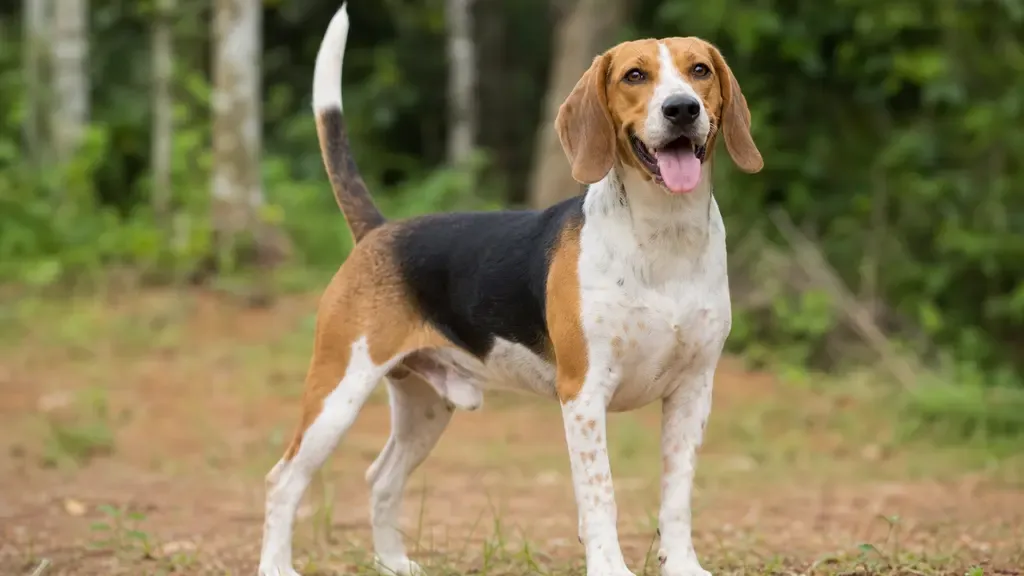
The Harrier is what you get when you take a Beagle and add a gym membership. Standing 19-21 inches at the shoulder and weighing 20-27 kg, the Harrier is a medium-sized pack hound with the friendly, outgoing personality of its smaller cousin and the endurance of a marathon runner. Described as "a Beagle on steroids" by some and "a small English Foxhound" by others, the Harrier occupies a sweet spot that has charmed hunters for over 750 years.
The first recorded Harrier pack in England was the Penistone, established by Sir Elias de Midhope in 1260, predating most modern breeds by centuries. The name "Harrier" likely comes from the Norman word harier, referring to Saxon hunting hounds. These dogs were bred specifically to hunt hare, and unlike foxhounds that needed blazing speed, Harriers were developed for a slower, more sustained chase that mounted hunters could follow comfortably.
Today, the Harrier is one of the rarest AKC-recognised breeds, ranking 199 out of 208. Finding one is exceptionally difficult, but for those who manage it, the reward is a cheerful, tireless companion with a voice like a church bell and a nose that never quits.
Is a Harrier Right for Your Home?
What works: Harriers are among the friendliest of all hounds, good with children, other dogs, and even strangers (do not expect guard dog behaviour). They are medium-sized, manageable for most adults, with short coats that are easy to maintain. They adapt well to warm climates with sensible precautions. Their pack mentality means they bond deeply with their human family and do best with company.
What's challenging: The exercise requirement is significant, 90+ minutes daily, not a casual stroll. The nose rules all, off-leash reliability is essentially zero. The voice is loud, musical, and frequent. And the breed's extreme rarity means you will likely need to import, with all the cost and complexity that entails.
Exercise: The Non-Negotiable
A Harrier was designed to run for hours behind a pack of hounds, following scent across fields and through woodland. In a modern home, that instinct doesn't disappear. It redirects. A Harrier without adequate exercise and scent work will become destructive, vocal, and an escape artist.
Daily requirements: 90+ minutes of exercise, ideally split across morning and evening. One walk should include off-leash time in a securely fenced area for sniffing and running. Scent games, hiding treats, laying drag trails with a scented rag, using snuffle mats, tire out the nose and are as important as physical exercise. Harriers also excel at canine sports: tracking, rally, and agility.
A securely fenced yard is highly recommended. Harriers have been known to dig under, climb over, and squeeze through fences that would contain most dogs. Check your perimeter regularly.
Training the Nose
Harriers are intelligent but independently minded, bred to make decisions while working at a distance from the hunter. Training requires patience, consistency, and an acceptance that "come" means "come... after I finish smelling this fascinating thing."
Positive reinforcement works. Food rewards are highly motivating. Harsh corrections damage the Harrier's cheerful spirit. Keep training sessions short, fun, and varied. Early socialisation is critical, expose your Harrier puppy to different people, dogs, environments, and sounds.
The one command you must absolutely drill is recall, and even then, never trust it when a scent is involved. A Harrier on a trail is temporarily deaf.
Health
Harriers are generally a hardy, healthy breed with few genetic problems. Key considerations:
- Hip Dysplasia: Present in the breed; buy from hip-scored parents.
- Eye Conditions: Annual ophthalmologist checks recommended.
- Ear Infections: Those long, floppy ears trap moisture. Clean weekly and after every bath or swim.
- Weight Management: Harriers love food and gain weight easily, which stresses joints.
In, standard precautions apply: tick and flea prevention year-round, heartworm prophylaxis, and keeping vaccinations current.
The Harrier's Voice
Let's talk about the bay. A Harrier's voice is deep, resonant, and carries for surprising distances. This is not a yap. It's a full-throated, musical hound song developed so mounted hunters could track their pack's location from half a mile away. Your neighbours will hear it. Training can reduce unnecessary barking, but you will never have a silent Harrier. If you live in close quarters, this may be the deciding factor.