The account
Meet the Samoyed: The Smiling Dog of the Siberian Tundra
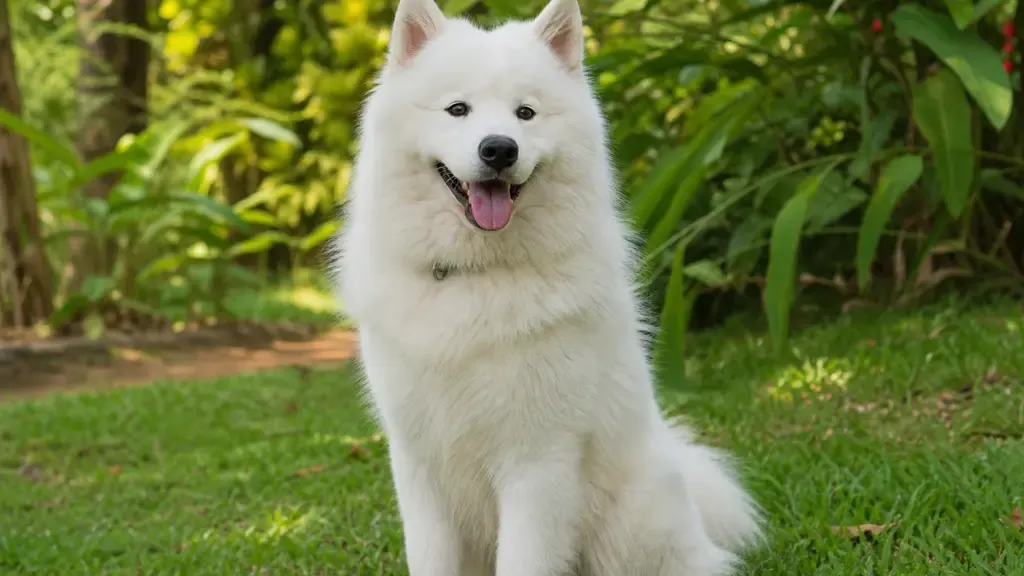
The Samoyed's famous smile is not an accident of breeding. It is three thousand years of evolution carved into a dog's face. The upturned mouth corners serve a practical purpose (preventing drool from freezing in sub-zero temperatures), but they also reflect something deeper: this is a dog that genuinely finds joy in human company. The Samoyede people of northwestern Siberia bred these dogs not as tools but as family. They shared their tents, their food, and their body heat in one of the harshest environments on Earth. The result is a breed that looks at humans not with wary calculation but with open-hearted welcome.
The modern Samoyed is a study in contradictions: a sled dog with the temperament of a family companion, a working breed that adores children, a thick-coated Arctic animal that has somehow found its way into family homes. Understanding these contradictions is the key to living happily with a Samoyed.
Living With the Samoyed
You are bringing a dog designed for the Siberian tundra into tropical. This requires honesty about what you are signing up for:
What works: Samoyeds are among the most family-friendly breeds on Earth, gentle, patient, and playful. They bond deeply with everyone in the household. They are medium-sized (manageable in apartments if exercised properly). Their coat is surprisingly clean and odour-free. They are not aggressive or territorial, terrible guard dogs, wonderful companions.
What's challenging: The coat. The shedding. The exercise needs. The heat sensitivity. The separation anxiety. A Samoyed left alone in a hot apartment will be miserable and destructive. A Samoyed not brushed for a week during shedding season will mat painfully. A Samoyed walked for 20 minutes a day will channel its energy into redecorating your home. This is a high-maintenance breed in a climate it was never designed for. The rewards are immense, but so is the commitment.
Coat Care: The White Wonder
The Samoyed's coat is their crowning glory and their primary care challenge. It is a double coat: a soft, dense undercoat beneath a longer, harsher outer coat that stands out from the body. This coat is remarkably self-cleaning, mud dries and brushes right out, and has no doggy odour.
- Daily brushing during shedding: Twice a year, Samoyeds "blow coat", the entire undercoat comes out in tufts. During this 2-3 week period, daily brushing with an undercoat rake is mandatory. You will fill garbage bags with white fluff.
- Regular brushing otherwise: 2-3 times weekly with a slicker brush and metal comb keeps the coat healthy and your furniture fur-free (relatively).
- Never shave: Shaving a Samoyed does not reduce shedding (the hair still grows and sheds from the follicle) but DOES remove their temperature regulation, the coat insulates against heat as well as cold. It also exposes pink skin to harsh sun. A shaved Samoyed is an uncomfortable, sunburned Samoyed.
- Bathing: Every 6-8 weeks. The self-cleaning coat means they stay fresh longer than you would expect. Use a whitening shampoo to maintain the brilliant white colour.
- Professional grooming: Worth the investment during shedding season when a high-velocity dryer can blast out loose undercoat more effectively than hours of brushing.
Exercise: The Sled Dog's Needs
Samoyeds were bred to pull sledges across frozen tundra for hours at a stretch. The modern Samoyed may not have a sled, but it has the same engine:
- Daily requirement: 60-90 minutes of active exercise, running, playing, hiking, not just walking.
- Mental stimulation: Puzzle toys, training sessions, nose work. A bored Samoyed is a creative Samoyed, and their creativity usually involves your furniture.
- Heat management: Exercise only at dawn and after sunset during summer. Watch for heavy panting and slow down or stop if the dog shows fatigue.
- Water: Samoyeds often enjoy swimming and water play, good exercise that keeps them cool.
Training the Smiling Stubborn One
Samoyeds are intelligent but independent. They were bred to think, a sled dog must sometimes override a musher's command if it senses thin ice ahead. This intelligence manifests as what owners euphemistically call "selective hearing."
- Start early. Samoyed puppies are adorable white fluffballs with needle-sharp teeth and a will of iron. Socialise extensively.
- Use positive reinforcement exclusively. Harsh corrections break the Samoyed's trust, and trust is everything with this breed.
- Keep sessions fun and varied. Samoyeds bore easily and will simply stop participating if training feels like a chore.
- They excel at dog sports, agility, rally, carting, even sledding (on wheeled carts ).
- Recall can be challenging: the Samoyed's sociability means they may run toward every person and dog they see. Consistent recall training from puppyhood is essential.
Health
- Hip Dysplasia: Common in medium-large breeds. Ensure puppy parents are OFA or equivalent tested. Maintain healthy weight.
- Progressive Retinal Atrophy (PRA): Inherited eye disease leading to blindness. Reputable breeders test for this.
- Hypothyroidism: Underactive thyroid, manageable with daily medication.
- Diabetes: Samoyeds have a higher-than-average incidence. Watch for excessive drinking, urination, and weight loss.
- Heat sensitivity: Not a disease but a management reality. Air conditioning, cooling mats, restricted daytime exercise.
Is a Samoyed Right for You?
A Samoyed is for someone who wants a dog that smiles when you walk through the door, every single time. Someone who doesn't mind white fur on their black clothes, who has air conditioning and time for long daily walks, and who is home often enough that the dog doesn't spend its days alone and anxious. It is for someone who finds the idea of a dog that argues back to be charming rather than frustrating, and who understands that some of the best things in life require the most work.
If that describes you, the Samoyed will give you three thousand years of love compressed into one smiling, fluffy, stubborn, magnificent dog.