The account
Meet the Poodle: The Aristocrat Who Works for a Living
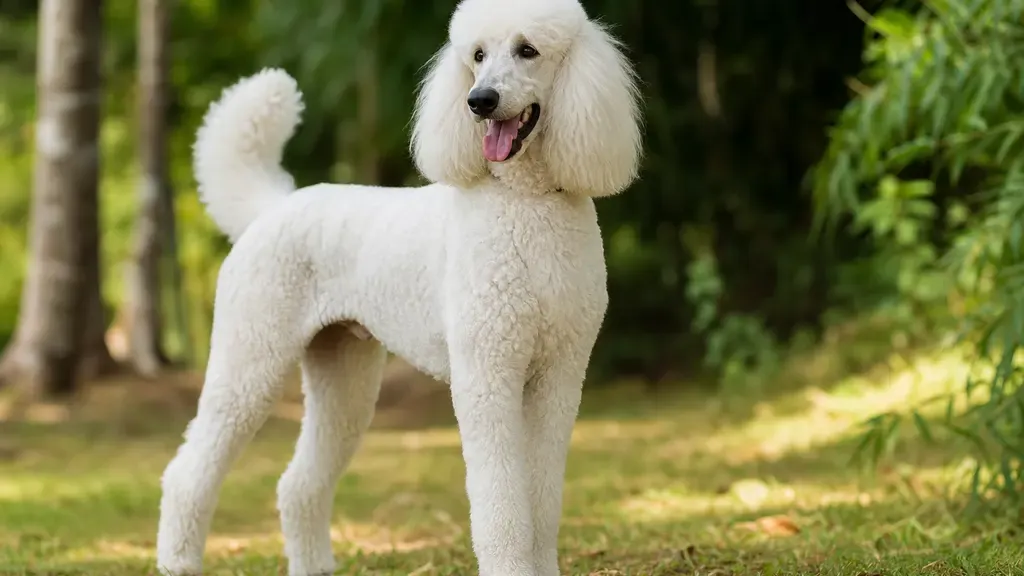
The Poodle has an image problem. Mention the breed and people picture a froofy show dog with pom-poms and a topknot, prancing around a ring while someone in a suit runs alongside. This stereotype has done the Poodle a profound disservice, because beneath the haircut is a water retriever, a gun dog, a working breed with the second-highest intelligence ranking in the canine world.
The Poodle was not bred for beauty. It was bred to plunge into cold European lakes and retrieve downed waterfowl for hunters. The famous "Poodle clip" is not fashion. It is function: the shaved areas reduce drag in water while the remaining fur protects vital organs and joints from cold. The topknot kept the dog's head warm while its body was submerged. The pom-pom on the tail made the dog visible when swimming. Every element of the traditional Poodle presentation served a working purpose.
Understanding this, that you are looking at an athlete dressed for a ball, is the key to living happily with a Poodle.
Living With the Poodle
Poodles have become increasingly popular, and for good reason, but the decision should be informed:
What works: The non-shedding coat is a genuine advantage for clean homes and allergy sufferers. Their intelligence makes training a joy. They come in three sizes, Toy, Miniature, and Standard, so you can match the dog to your space. They are athletic and up for adventure but also content to relax with their family. They are clean, odour-free, and elegant without being fragile (in the larger sizes).
What's challenging: Grooming. The grooming is real, expensive, and non-negotiable. Budget every 4-6 weeks for life. Intelligence without stimulation becomes neurosis, a bored Poodle is a destructive, anxious, barking Poodle. They are sensitive: harsh training methods break their spirit. They bond deeply and do not handle being ignored or left alone for long periods. This is not a low-maintenance breed.
Coat Care: The Price of the Non-Shedding Coat
Poodles have hair, not fur, a single coat of dense, curly hair that grows continuously (like human hair) rather than shedding on a cycle. This is why they are "hypoallergenic", but it comes with maintenance:
- Brushing: 2-3 times weekly minimum with a slicker brush and metal comb. Every strand of shed hair stays trapped in the curls; without brushing, it mats against the skin painfully. Brush down to the skin, not just the surface.
- Professional grooming: Every 4-6 weeks. Budget (Toy) to (Standard) per session. This is the single largest ongoing cost of Poodle ownership.
- Clip choices: "Puppy clip" (even length all over, ~1 inch) is the most practical and lowest-maintenance. The traditional continental or English saddle clips are show-ring styles. The "summer clip" (very short all over) is popular for hot months.
- Ears: Floppy ears trap moisture. Check weekly, clean with vet-approved solution. Poodles are prone to ear infections.
- Eyes: The hair around the eyes needs regular trimming to prevent irritation and tear staining.
- Teeth: Poodles are prone to dental issues, daily brushing prevents expensive extractions.
The Poodle Mind
Training a Poodle is less about teaching and more about communicating. They understand faster than almost any other breed:
- Positive reinforcement only. Poodles are emotionally sensitive, harsh corrections create anxiety, not compliance.
- They need mental work, not just physical exercise. Puzzle toys, trick training, nose work, hide-and-seek, anything that engages the brain.
- Poodles excel at every dog sport: agility, obedience, rally, scent work, dock diving. If you have ever wanted to try dog sports, a Poodle will take you there.
- They notice patterns. If you always put on your shoes before a walk, your Poodle will learn this in three repetitions and react accordingly. Use this intelligence, teach them words, routines, and games.
- The downside: they also notice when you are inconsistent, unfair, or not paying attention. A Poodle will call you out, by refusing to cooperate, by acting out, or by quietly sulking.
Health
- Hip Dysplasia: Standard Poodles should have parents with OFA or equivalent hip certification.
- Progressive Retinal Atrophy (PRA): Inherited blindness. DNA test available, insist on tested parents.
- Bloat (GDV): Deep-chested Standards are at risk. Feed two meals, no exercise after eating, know the symptoms.
- Epilepsy: Idiopathic epilepsy occurs in the breed. Medication manages it.
- Addison's Disease: Adrenal insufficiency, manageable with lifelong medication but requires diagnosis.
- Patellar Luxation: Toy and Miniature Poodles, check knee certification of parents.
- Sebaceous Adenitis: Skin condition causing hair loss. More common in Standards.
- Ear Infections: Chronic issue in neglected ears. Regular cleaning prevents most cases.
Is a Poodle Right for You?
A Poodle is for someone who wants a dog that is their intellectual equal. Someone willing to pay for lifelong professional grooming. Someone who finds joy in training, puzzles, and canine sports, not someone who wants a dog that entertains itself. Someone who is home enough that the dog is not left alone for 10 hours a day. And someone who can see past the haircut to the water dog beneath, the athlete, the retriever, the partner.
The Poodle is not the French aristocrat of caricature. It is the German water dog that worked its way into palaces. Treat it like the worker it is, and you will have one of the most rewarding relationships in the dog world.