The account
Meet the German Pinscher: Germany's Original Working Dog
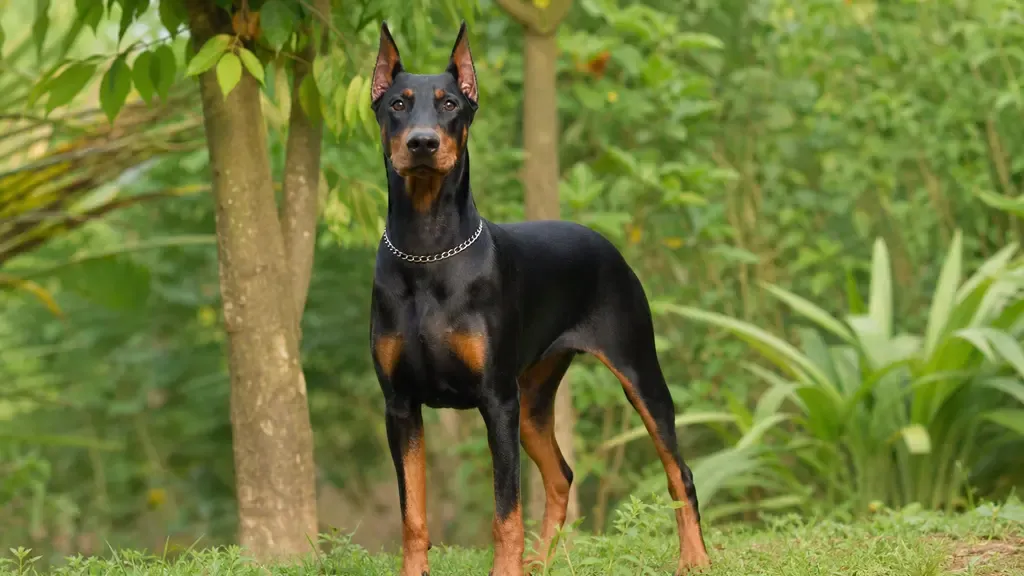
The German Pinscher is the "original pinscher", the prototype from which the Doberman, Miniature Pinscher, and Affenpinscher were developed. This is a medium-sized, sleek, muscular dog with an elegant square build, erect ears, and an expression that says "I'm three steps ahead of you."
Bred in 19th-century Germany as an all-purpose farm dog, the German Pinscher earned its keep by hunting vermin, guarding the stables, and alerting the farm family to anything suspicious. The breed's name comes from the German word pinschen, meaning "to pinch or nip", a reference to its ratting origins.
Today's German Pinscher retains every ounce of that working heritage. This is not a lap dog. This is a sharp, driven, endlessly alert companion that needs a job, a handler who means what they say, and a lifestyle that matches its intensity.
Is a German Pinscher Right for Your Home?
The German Pinscher does well in hot, humid conditions if you can meet its needs. Here's the honest assessment:
What works: The short, dense coat handles moderate heat better than double-coated breeds. The medium size (11-20 kg) suits apartment living provided exercise needs are met. The breed is naturally clean, low-drool, and low-shedding, a bonus in family homes.
What's challenging: This is a high-energy breed that needs 60-90 minutes of vigorous exercise daily, not a leisurely stroll. The German Pinscher is willful and manipulative. It will test boundaries constantly and exploit any inconsistency in training. The strong prey drive means squirrels, cats, and street dogs will trigger chase instincts. And the breed's natural suspicion of strangers means early and ongoing socialisation is non-negotiable.
If you're an experienced dog owner who loves training, has an active lifestyle, and wants a dog that feels like a true partner rather than just a pet, the German Pinscher is one of the most rewarding breeds you can choose.
Training a German Pinscher: Firm, Fair, and Never Boring
Training is where the German Pinscher shines, and where most owners fail. This breed is exceptionally intelligent but equally independent. Traditional "repeat this 50 times" training bores them. They need variety, challenge, and a handler who stays one step ahead.
Start obedience training the day your puppy comes home. Socialise extensively, expose your German Pinscher to different people, dogs, environments, and sounds during the critical 8-16 week window. An under-socialised German Pinscher can become reactive and difficult to manage.
Positive reinforcement works, but it must be paired with clear boundaries. This breed respects a leader, not a friend. If you're inconsistent, allowing jumping up one day and correcting it the next, your German Pinscher will notice and exploit the gap.
Advanced training is highly recommended: agility, rally, tracking, or scent work. These dogs need mental exercise as much as physical. A tired German Pinscher is a good German Pinscher. A bored one will redesign your furniture.
Health: What to Watch For
German Pinschers are generally robust with a lifespan of 12-14 years. However, the breed has known health concerns that prospective owners should screen for:
- Hip Dysplasia: Genetic joint malformation. Insist on hip-scored parents when buying a puppy. Maintain healthy weight throughout life.
- Von Willebrand's Disease (vWD): A blood clotting disorder. A DNA test can identify carriers, reputable breeders screen for this.
- Heart Disease: Dilated cardiomyopathy and mitral valve disease occur in the breed. Annual cardiac exams after age 5 are recommended.
- Eye Conditions: Cataracts and progressive retinal atrophy (PRA). Annual ophthalmologist checks.
In, also watch for tick fever (ehrlichiosis), which is common in all breeds. Regular tick prevention, spot-on treatments or tick collars, is essential, especially during monsoon season.
The German Pinscher's Legacy
The German Pinscher nearly vanished from the earth. After World War II, no litters were registered in West Germany from 1949 to 1958. The breed was saved by a single man, Werner Jung, who smuggled a black-and-tan female out of East Germany and bred her with oversized Miniature Pinscher males to reestablish the line. Every German Pinscher alive today descends from Jung's breeding program.
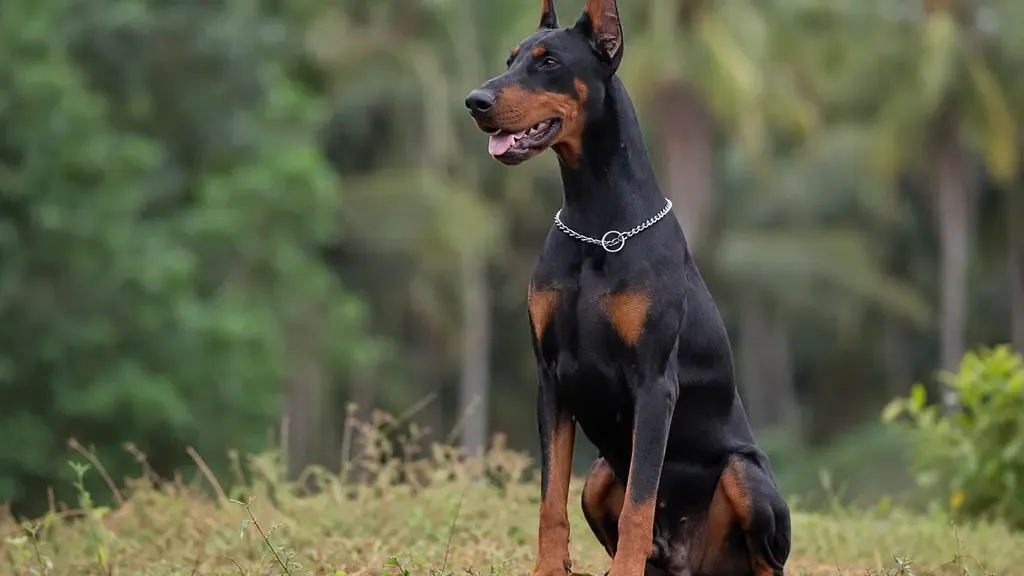
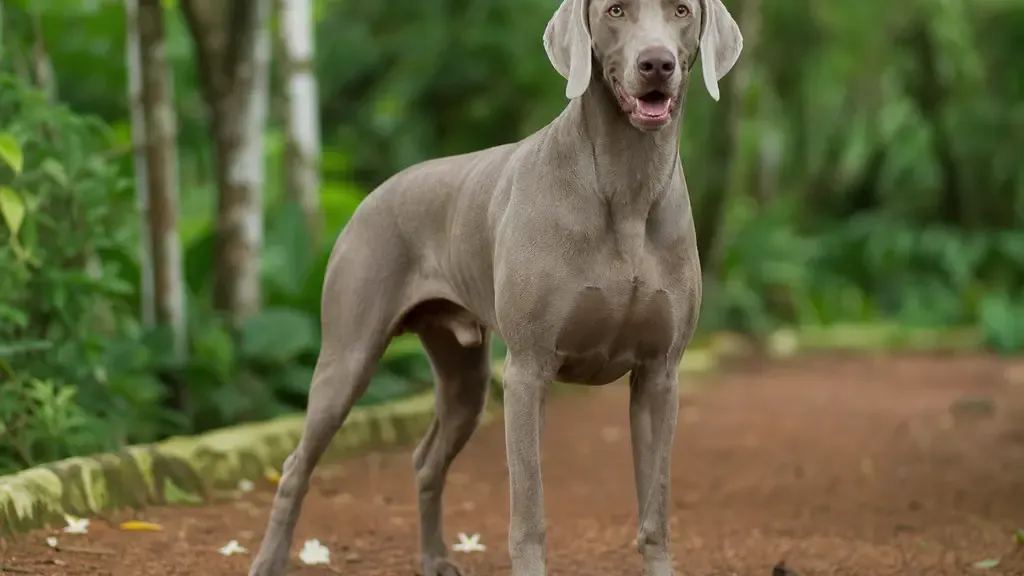
This is also the breed that Karl Friedrich Louis Dobermann used as a foundation for the Doberman in the 1890s, along with the Rottweiler, Weimaraner, and Greyhound. The German Pinscher contributed its intelligence, alertness, and elegant build to what became one of the world's most recognisable protection breeds.
Final Word
The German Pinscher is not for everyone. It's for the owner who wants a dog that challenges them, keeps them honest, and rewards their effort with fierce loyalty and endless entertainment. If that sounds like you, and you're prepared to put in the work, there are few breeds more satisfying to live with.